Zeitlin Sotheby's International Realty  ·  615.383.0183  ·  Each office is independently owned and operated.
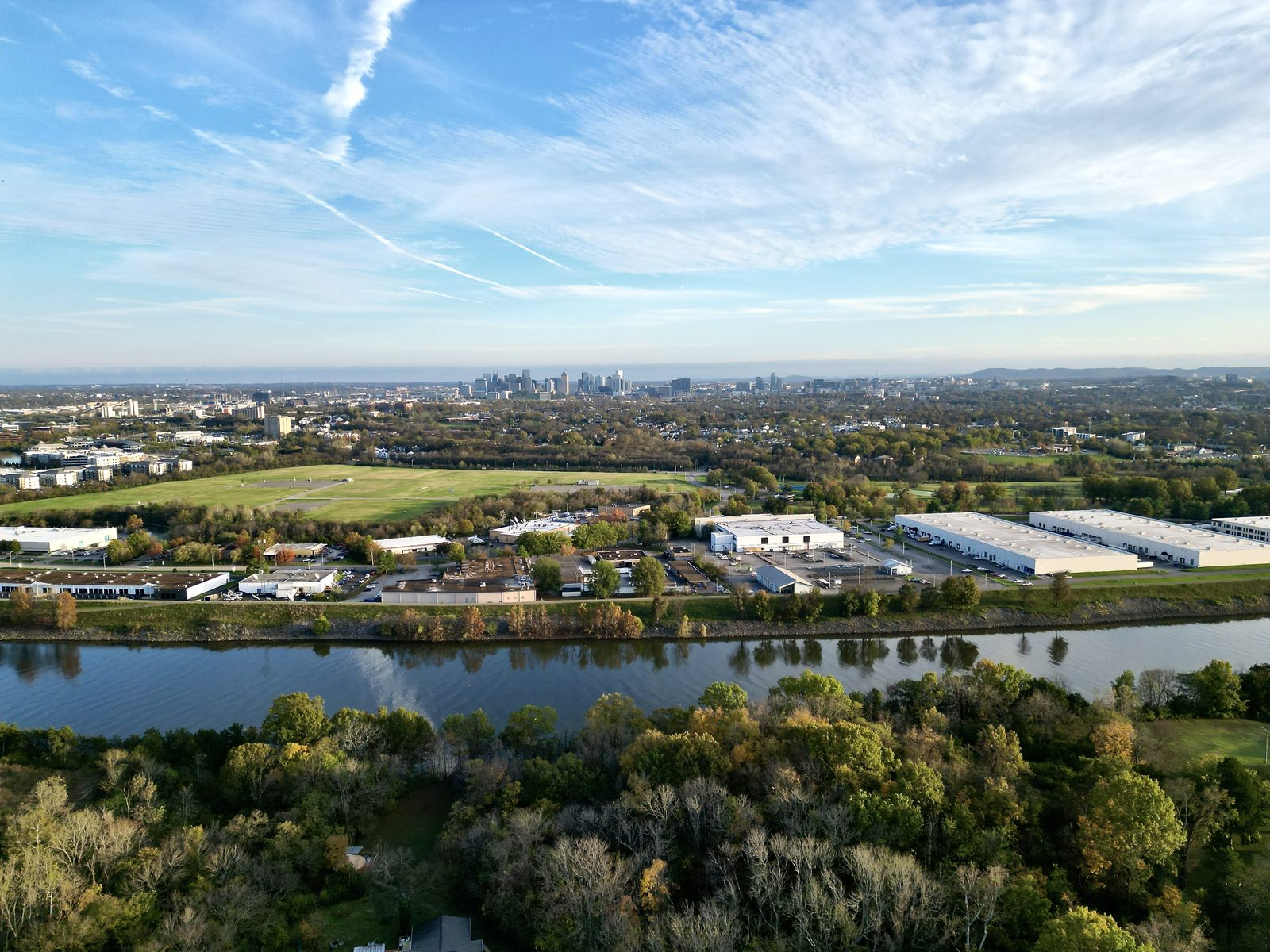
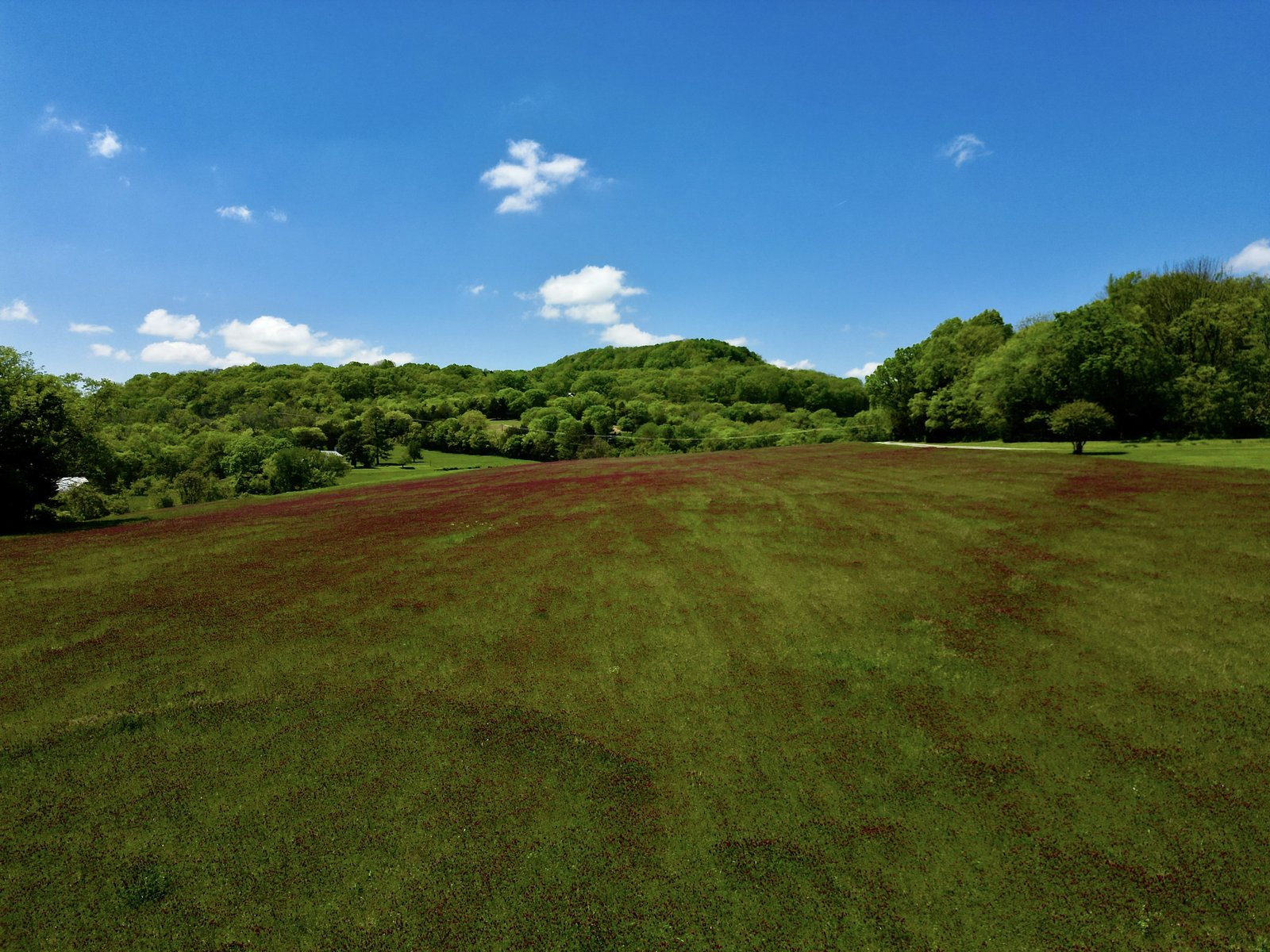
Aerial view of Middle Tennessee farmland and rolling countryside
Scenic Land & Farms  ·  Buyer's Resource

Middle Tennessee Land
Buyer's Guide

County-by-county intelligence on zoning, septic rules, greenbelt exemptions, utility availability, and pricing — the factors that make or break a land purchase.

15 Counties Covered
90+ Topics Analyzed
2026 Data Current As Of

Buying land in Middle Tennessee isn't like buying a house. The rules change at every county line — minimum lot sizes, septic setbacks, agricultural exemptions, utility availability, and zoning all vary dramatically across the region. A parcel that works for a developer in one county may be unbuildable in the next.

This guide covers the sixteen counties where we work most actively. Each section covers the factors that matter most to land buyers and closes with a direct take from Ross on what we're actually seeing on the ground. If you want to talk through a specific property or need help evaluating a parcel, call us or fill out the form at the bottom.
Jump to County
County 01 of 16

Williamson County

The most expensive and most regulated land market in Middle Tennessee. High demand from developers, relocating executives, and agricultural buyers has pushed prices to a premium — but zoning and subdivision rules are strict.

High Demand
Lot Sizes & Subdivision

Minimum Lot Sizes & Subdivision Rules

Unincorporated areas generally require a minimum of 2 acres for residential use on septic. Planned Unit Developments (PUDs) allow smaller lots but require approval. The county actively limits dense subdivision outside incorporated municipalities — one of the stricter regulatory environments in the region.

Key Number2 acres minimum (septic areas)
Water & Sewer

Septic vs. Sewer Availability

Sewer service is concentrated in Franklin, Brentwood, Spring Hill, Nolensville, and Fairview. Rural and outer county parcels are almost universally on septic. Rolling terrain and heavy clay soils in parts of the county can make septic expensive or impossible on smaller tracts — perc tests are essential before any rural purchase.

Key FactMost rural parcels require on-site septic
Tax Exemptions

Agricultural (Greenbelt) Exemptions

Parcels of 15+ acres used for bona fide agriculture or forestry qualify for significantly reduced property tax assessments under Tennessee's Greenbelt Law. Williamson County actively audits Greenbelt claims — genuine agricultural use must be demonstrated. Rollback taxes (3 years) apply if you convert the use.

Key Number15-acre minimum; genuine ag use required
Land Use

Zoning Overview

Unincorporated Williamson County is zoned primarily Agricultural (A-1 through A-4) with varying density restrictions. Residential zones exist near municipalities. Commercial zoning along major corridors (US-31, US-431, I-65) is in high demand. The county's 2040 General Plan guides all future land use decisions — worth reviewing before any offer.

Zone RangeA-1 (most rural) through commercial corridor zones
Infrastructure

Utility Availability

Electric is widely available through Middle Tennessee Electric. Natural gas extends to most incorporated areas but is limited rurally. Public water varies by utility district; rural tracts often require a well. Franklin Water, Brentwood, and PWS systems serve their respective territories. High-speed internet improving but spotty in outer county.

Rural StandardWell + propane common outside municipal areas
Market Conditions

Growth Trends & Development Pressure

Williamson County is ground zero for Middle Tennessee growth. Spring Hill, Nolensville, and outer Franklin corridors are rapidly absorbing development pressure. Raw land values have compressed significantly — sellers know what they have. Development land near utility corridors commands dramatic premiums over comparable rural tracts.

Price Range$25,000–$150,000+ per acre depending on location & zoning
Our Take

Williamson is the hardest county to find value in right now. If you're a developer, the sewer line is everything — a parcel inside a sewer service area is worth 3–5x more than one 2 miles outside it. For ag and estate buyers, the western part of the county toward Fairview still offers acreage at reasonable prices with strong Greenbelt potential.

Read Full Williamson County Guide →
Rolling farmland in Middle Tennessee
County 02 of 16

Davidson County

Primarily urban and suburban, but pockets of undeveloped land exist — particularly in the outer northwest and southeast quadrants. The metro/county consolidated government (Metro Nashville) controls all zoning and land use decisions.

Urban / Metro
Lot Sizes & Subdivision

Minimum Lot Sizes & Subdivision Rules

Metro Nashville's zoning ordinance governs all of Davidson County. Residential density varies widely — from R80 (2-acre equivalent) in rural fringe zones to RS5 (5,000 sq ft lots) in traditional neighborhoods. Infill development and subdivision rules are tightly controlled in established neighborhoods throughout the county.

Key FactVaries dramatically by Metro zoning district
Water & Sewer

Septic vs. Sewer Availability

Metro Water Services provides sewer and water to most of Davidson County. Septic systems exist in rural fringe areas (Joelton, outer Bellevue, Antioch outskirts). New septic permits in Davidson are increasingly difficult to obtain. If you're buying rural Davidson land, confirm sewer availability before assuming any development potential.

Key FactMost of Davidson: Metro sewer/water available
Tax Exemptions

Agricultural (Greenbelt) Exemptions

Greenbelt exemptions exist in Davidson County but are increasingly rare as land gets developed. Outer county parcels with legitimate farm or timber use can still qualify. Given land values, the tax savings are meaningful, but genuine agricultural use must be demonstrated annually to the assessor's office.

Key FactLimited to outer county rural parcels
Land Use

Zoning Overview

Metro Nashville's NashvilleNext plan and Detailed Design Overlays (DDOs) shape land use across the county. Infill, mixed-use, and transit-oriented zones have expanded significantly. Agricultural zones exist in Joelton, Bordeaux, and southern Davidson. Commercial zoning near interstate corridors is highly competitive and closely held.

Key FactCheck Metro zoning map before any offer
Infrastructure

Utility Availability

NES (Nashville Electric Service) covers the entire county. Metro Water Services handles water and sewer. Natural gas via Piedmont. Infrastructure is generally robust — Davidson County land rarely has utility access issues, though capacity constraints exist in some rapidly growing corridors on the county's outer fringe.

Key FactFull utility coverage in most areas
Market Conditions

Growth Trends & Development Pressure

Undeveloped land in Davidson County is scarce and highly contested. The action is in infill lots, assemblages, and outer county tracts near I-40, I-24, and I-65 corridors. Opportunity Zone designations cover parts of north and east Nashville. Land suitable for multifamily or commercial use is commanding record prices.

Price Range$100,000–$1M+ urban core; $30,000–$80,000 outer county
Our Take

Most true land buyers aren't looking in Davidson — it's either too expensive or too developed. The exception is outer Davidson near Joelton and the Cheatham county line, where you can still find legitimate acreage at reasonable prices. If you're a developer, Davidson infill assemblages are where the money is, but you're competing with institutional capital.

Read Full Davidson County Guide →
County 03 of 16

Rutherford County

One of the fastest-growing counties in Tennessee. Murfreesboro's expansion, a strong industrial base, and relative affordability compared to Williamson make this a prime development market — but it's moving fast.

Fastest Growing
Lot Sizes & Subdivision

Minimum Lot Sizes & Subdivision Rules

Unincorporated areas require a minimum of 1.5–2 acres for septic-served residential use. The county's growth has led to more active planning and subdivision regulation updates. Areas annexing into Murfreesboro fall under city subdivision standards, which allow smaller lots with sewer access and lower minimums.

Key Number1.5–2 acres minimum (septic areas)
Water & Sewer

Septic vs. Sewer Availability

Murfreesboro's sewer system has expanded aggressively to support growth. Smyrna and LaVergne have their own systems. Large portions of the outer county remain on septic, particularly south and east of Murfreesboro. Rapid growth means sewer service areas are expanding — what's on septic today may have sewer access in 3–5 years.

Key FactSewer expanding rapidly; confirm current service boundaries
Tax Exemptions

Agricultural (Greenbelt) Exemptions

Greenbelt is widely used in Rutherford County, especially in the northern and western portions that remain agricultural. With land values rising rapidly, the tax savings are increasingly significant. Buyers purchasing agricultural land should confirm current Greenbelt status and plan for rollback taxes if development use is intended.

Key FactActive Greenbelt use; check for rollback exposure at purchase
Land Use

Zoning Overview

Rutherford County's zoning includes Agricultural, Residential, and Commercial districts. The county's GIS mapping resources are solid. Industrial and logistics zoning has expanded significantly near I-24 and I-840 corridors. Murfreesboro has its own comprehensive zoning ordinance governing the city's rapidly expanding footprint.

Key FactI-24/I-840 corridors: industrial land in high demand
Infrastructure

Utility Availability

Middle Tennessee Electric serves most rural areas; Murfreesboro Electric covers the city. Natural gas is available in municipalities and expanding along growth corridors. Rural tracts typically require wells and propane. Fiber internet has expanded but coverage gaps remain in outer county areas farther from Murfreesboro and the I-24 corridor.

Key FactUtilities solid near corridors; rural tracts vary
Market Conditions

Growth Trends & Development Pressure

Rutherford County has ranked among the top 10 fastest-growing U.S. counties for multiple consecutive years. Residential development pressure radiates outward from Murfreesboro in all directions. Industrial and logistics demand along I-24 is intense. Rutherford offers more accessible development land than Williamson, though that gap is closing.

Price Range$15,000–$80,000 per acre depending on location & utilities
Our Take

Rutherford is the best value development play in Middle Tennessee right now, but the window is closing. The smart money is buying land 3–5 miles ahead of the sewer line and waiting. Industrial land near the I-24/I-840 interchange is being absorbed quickly — if you have a logistics or warehouse user, this is where to look first.

Read Full Rutherford County Guide →
Rutherford County Tennessee pastoral landscape
County 04 of 16

Wilson County

Lebanon and Mt. Juliet have transformed Wilson County from a quiet bedroom community into a high-demand growth market. The county balances strong agricultural roots with rapid suburban expansion along the I-40 corridor.

Strong Growth
Lot Sizes & Subdivision

Minimum Lot Sizes & Subdivision Rules

Unincorporated Wilson County generally requires 1.5–2 acres for septic-served lots. Mt. Juliet has its own subdivision ordinance allowing smaller lots with sewer. Lebanon has its own standards as well. The county has been updating planning regulations in response to the growth pressure that has accelerated in recent years.

Key Number1.5–2 acres minimum (unincorporated/septic)
Water & Sewer

Septic vs. Sewer Availability

Mt. Juliet Water Authority and Lebanon's utility systems provide sewer in their service areas. Large portions of the county — particularly north, east, and south of Lebanon — remain on septic. The county has invested in water line extensions, but sewer lags behind growth in some areas. Confirm service boundaries before any offer.

Key FactSewer concentrated near municipalities; rural tracts on septic
Tax Exemptions

Agricultural (Greenbelt) Exemptions

Wilson County has strong agricultural roots — cattle farming, hay, and some row crops are common. Greenbelt exemptions are widely held and meaningful given rising land values. Timber tracts in the eastern part of the county also qualify. Rollback taxes (3 years) apply when use changes — factor this into any negotiation on agricultural land.

Key FactActive agricultural community; Greenbelt widely used
Land Use

Zoning Overview

Wilson County's zoning map shows predominantly agricultural and low-density residential zoning in unincorporated areas. Commercial zoning concentrates along US-70 and the I-40 corridor. The county's planning commission has been active in managing the ongoing tension between growth pressure and rural character preservation.

Key FactUS-70 and I-40 corridors: commercial pressure increasing
Infrastructure

Utility Availability

Middle Tennessee Electric serves rural Wilson County; municipal utilities in Lebanon and Mt. Juliet. Natural gas availability is expanding along growth corridors. Water line access has improved significantly countywide. Rural parcels in eastern and northern Wilson County still typically require wells and on-site propane for heating.

Key FactWestern corridor: strong utilities; eastern/northern: well + propane
Market Conditions

Growth Trends & Development Pressure

Mt. Juliet is one of the fastest-growing cities in Tennessee. The I-40 corridor from Nashville to Lebanon has absorbed enormous residential and commercial growth. Lebanon is experiencing a revitalization with new industrial and retail investment. Land east of Lebanon remains relatively undiscovered but is seeing increasing buyer interest.

Price Range$12,000–$75,000 per acre depending on location
Our Take

Wilson County offers one of the best combinations of accessibility and value right now. Mt. Juliet is essentially a suburb of Nashville at this point, and Lebanon is following. For buyers who want a genuine farm or estate within 45 minutes of downtown Nashville, eastern Wilson County is where I'm looking for opportunities.

Read Full Wilson County Guide →
County 05 of 16

Maury County

Columbia and Spring Hill's growth have put Maury County on the map for developers and ag buyers alike. A major industrial presence — EV battery manufacturing and automotive supply chain — is fundamentally reshaping the county's land market.

Industrial Boom
Lot Sizes & Subdivision

Minimum Lot Sizes & Subdivision Rules

Maury County's unincorporated area requires a minimum lot size of 1.5–2 acres for septic use. Columbia has its own subdivision standards with smaller lots served by municipal sewer. Spring Hill's rapid annexation has pushed parts of the northern county into city regulations. The county has been actively updating growth management tools.

Key Number1.5–2 acres typical minimum (unincorporated)
Water & Sewer

Septic vs. Sewer Availability

Columbia's utility system serves the county seat and surrounding areas. Spring Hill Utility District extends into northern Maury. The southern and western portions — Duck River bottom lands, Culleoka, Hampshire areas — are largely on septic. The county's rural character remains intact in these outer areas far from sewer infrastructure.

Key FactSouthern/western county: septic; north near Spring Hill: sewer expanding
Tax Exemptions

Agricultural (Greenbelt) Exemptions

Maury County has deep agricultural roots — one of the top beef cattle counties in Tennessee. Greenbelt is heavily used across the county. Duck River bottom ground with prime row crop potential is increasingly valuable to both farmers and developers. Carefully evaluate Greenbelt status and rollback exposure on any agricultural purchase in this market.

Key FactStrong agricultural community; prime Greenbelt county
Land Use

Zoning Overview

Maury County's zoning is predominantly agricultural in unincorporated areas, with residential and commercial zones near municipalities. Industrial zoning along US-412 and near the interstate has expanded significantly with the arrival of automotive and battery manufacturing. This industrial growth is pulling land values up across the entire county.

Key FactUS-412 industrial corridor: major land value driver
Infrastructure

Utility Availability

Middle Tennessee Electric covers rural areas. Natural gas availability is limited outside Columbia and Spring Hill areas. Water line infrastructure has expanded but wells remain common in the outer county. Industrial corridors have strong utility access. Rural tracts in the south and west vary widely — confirm before purchase.

Key FactIndustrial areas: full utility access; rural: varies widely
Market Conditions

Growth Trends & Development Pressure

The arrival of large-scale manufacturing (EV battery supply chain) has fundamentally changed Maury County's land market. Industrial land near Columbia and the US-412 corridor has seen dramatic appreciation. Residential growth is pushing south from Spring Hill into northern Maury. Agricultural land values are being pulled up by development demand from multiple directions simultaneously.

Price Range$8,000–$50,000+ per acre (industrial land commanding significant premiums)
Our Take

Maury County is the most interesting land market in Middle Tennessee right now because the fundamentals just changed. The industrial buildout created demand that wasn't there 5 years ago. For ag buyers, Duck River bottom land is as good as it gets in Tennessee — productive, beautiful, and increasingly hard to find. For investors, northern Maury near the Williamson line is undervalued relative to what's coming.

Read Full Maury County Guide →
Maury County Tennessee countryside
County 06 of 16

Cheatham County

Cheatham sits immediately west of Nashville and offers some of the most accessible rural land in Middle Tennessee. The county has maintained a rural character that's increasingly rare this close to the metro — and prices still reflect it.

Value Play
Lot Sizes & Subdivision

Minimum Lot Sizes & Subdivision Rules

Cheatham County is one of the more permissive counties for rural land use in the region. Minimum lot sizes in unincorporated areas are generally 1 acre with septic approval, though specific requirements vary by zone. The county has fewer growth controls than its neighbors, which creates both opportunity and risk for buyers evaluating development potential.

Key FactMore permissive than neighboring counties; verify current standards
Water & Sewer

Septic vs. Sewer Availability

Sewer service is limited to Ashland City and a few small utility districts. The vast majority of Cheatham County is septic territory. The county's karst topography and Cumberland River bluffs create varying soil conditions — perc tests are essential before any purchase, especially on smaller tracts where septic options may be constrained.

Key FactPredominantly septic county; perc tests critical before purchase
Tax Exemptions

Agricultural (Greenbelt) Exemptions

Cheatham County has active farming — hay, cattle, and historically some tobacco. Greenbelt exemptions are available and meaningful. Timber tracts along the ridge systems are also eligible. The county's agricultural character has helped keep land values lower than adjacent Davidson and Williamson, though that gap is narrowing as buyers look west.

Key FactActive ag use; timber tracts eligible for Greenbelt
Land Use

Zoning Overview

Cheatham County's zoning is predominantly agricultural and low-density residential. Commercial zoning is concentrated in Ashland City and along US-12 and US-41A corridors. The county has fewer zoning complications than neighboring Davidson or Williamson, which makes it attractive for buyers who want a simpler regulatory environment and fewer use restrictions.

Key FactSimpler regulatory environment; fewer use restrictions
Infrastructure

Utility Availability

Cheatham Electric Cooperative serves much of the county with reliable rural electric service. Natural gas is largely unavailable in rural areas — propane is the standard. Water service is limited to utility districts; wells are common throughout. Internet access has been a challenge, though fiber buildouts are underway in parts of the county.

Key FactCheatham Electric covers most areas; rural: well + propane standard
Market Conditions

Growth Trends & Development Pressure

Cheatham County has historically flown under the radar, but proximity to Davidson County — a 30–45 minute drive to Nashville — is increasingly attracting buyers priced out of Williamson and western Davidson. The Cumberland River provides recreational value. Land here is still priced significantly below comparable tracts in adjacent counties.

Price Range$6,000–$25,000 per acre (significant value relative to neighbors)
Our Take

Cheatham is the sleeper of the group. You're 30 minutes from downtown Nashville, and you can still buy 20–50 acres of quality land for what you'd pay for 5 acres in Williamson. The regulatory environment is simpler. The tradeoff is fewer utilities and some septic challenges on karst terrain. For the buyer who wants privacy and acreage without leaving the Nashville orbit, Cheatham is worth a serious look.

Read Full Cheatham County Guide →
County 07 of 16

Robertson County

Classic Middle Tennessee farm country — dark-fired tobacco ground, cattle operations, and productive row crop land. Springfield is the county seat, and the county is beginning to feel growth pressure from Nashville's northward expansion.

Agricultural Heart
Lot Sizes & Subdivision

Minimum Lot Sizes & Subdivision Rules

Robertson County's unincorporated areas require approximately 1.5–2 acres for septic-served residential development. The county has a relatively straightforward subdivision process compared to more urbanized counties. Cross Plains, Coopertown, and White House have their own utility systems and different standards for areas that have been annexed into those municipalities.

Key Number1.5–2 acres minimum; less regulatory complexity than metro counties
Water & Sewer

Septic vs. Sewer Availability

Sewer service is available in Springfield, White House, and Coopertown. The vast majority of Robertson County outside these municipalities is on septic. The county's loamy agricultural soils generally perc well, which makes septic more predictable here than in counties with heavy clay or karst geology — a meaningful advantage for rural buyers.

Key FactGood perc conditions generally; sewer limited to municipalities
Tax Exemptions

Agricultural (Greenbelt) Exemptions

Robertson County is one of the premier dark-fired tobacco producing counties in Tennessee. Row crops, cattle, and hay are also prominent. Greenbelt exemptions are widely held and the agricultural identity of the county is strong. Buyers acquiring farmland should expect active Greenbelt status and plan accordingly for any intended use change.

Key FactTop agricultural county; Greenbelt nearly universal on farm tracts
Land Use

Zoning Overview

Robertson County is predominantly Agricultural (A-1) in unincorporated areas with residential zones near towns. Commercial zoning exists along US-431, US-41, and near the I-65 corridor at White House. The county has not experienced the zoning complexity of more urbanized counties, making land use research more straightforward for buyers and their advisors.

Key FactPrimarily A-1 agricultural; I-65/US-431 corridors commercial
Infrastructure

Utility Availability

TVA power through local cooperatives serves rural Robertson County. Natural gas is limited. Rural water districts serve parts of the county, but wells remain common in outlying areas. The county has reasonable but not exceptional internet infrastructure — fiber deployment is underway in some areas, particularly near the growing White House and Coopertown areas.

Key FactReliable rural electric; water varies by district; wells common
Market Conditions

Growth Trends & Development Pressure

Robertson County is beginning to absorb Nashville's northward growth, particularly in the White House and Coopertown areas. Springfield is seeing modest commercial investment. Farmland values have risen meaningfully as buyers priced out of Davidson look north. Much of Robertson still feels genuinely rural — a characteristic that buyers increasingly prize and are willing to pay for.

Price Range$7,000–$30,000 per acre (prime farmland at the higher end)
Our Take

Robertson County is where I send buyers who want legitimate working farm ground at a fair price. The tobacco history means the land has been well-managed for generations, and the dark-fired ground is some of the most productive in the state. White House is growing fast — parcels near that I-65 interchange have already repriced. Further north toward Springfield and Adams, you're still in classic Middle Tennessee farm country with realistic prices.

Read Full Robertson County Guide →
Wilson County Tennessee open land
County 08 of 16

Sumner County

Hendersonville, Gallatin, and Portland define the three tiers of Sumner County's land market. Strong residential demand, a growing industrial presence in Gallatin, and genuine farm country in the northern tier make this one of the more nuanced land markets in the region.

Three-Tier Market
Lot Sizes & Subdivision

Minimum Lot Sizes & Subdivision Rules

Sumner County's subdivision regulations require 1.5–2 acres for septic-served lots in unincorporated areas. Hendersonville and Gallatin have their own ordinances allowing smaller lots with municipal sewer. The county's planning commission has been moderately active in growth management. Portland in the north operates under more rural standards.

Key Number1.5–2 acres minimum (unincorporated/septic); city standards vary
Water & Sewer

Septic vs. Sewer Availability

Hendersonville Utility District and Gallatin Department of Electricity and Water serve their respective service areas. Sumner County's northern tier (Portland area) is mostly septic. The county has varied soil conditions — Drakes Creek watershed areas and northern clay-heavy soils can make septic systems more expensive and complex to engineer on smaller tracts.

Key FactHendersonville/Gallatin: sewer available; northern county: septic
Tax Exemptions

Agricultural (Greenbelt) Exemptions

Sumner County has a meaningful agricultural sector, particularly in the northern portions around Portland and Westmoreland. Tobacco, cattle, and soybean production are present. Greenbelt exemptions are common on larger tracts. The county's proximity to Nashville means land values have risen significantly, making Greenbelt tax savings particularly valuable for owners of larger holdings.

Key FactNorthern county: active agriculture; Greenbelt widely held
Land Use

Zoning Overview

Sumner County's zoning ranges from dense residential near Hendersonville — essentially a Nashville suburb — to agricultural in the north. Gallatin has seen significant commercial and industrial development along US-31E. The county's plan accommodates its considerable geographic diversity from suburb to genuine rural, making it important to understand which tier you're buying in.

Key FactHendersonville: suburban; Gallatin: industrial; North: agricultural
Infrastructure

Utility Availability

Middle Tennessee Electric serves rural Sumner County. Gallatin has its own electric system. Natural gas is available in Gallatin and Hendersonville. Rural northern county parcels typically require wells and propane. Broadband coverage is better in the southern county near Nashville than in Portland-area tracts, though this is improving steadily.

Key FactSouthern county: full utilities; northern county: well + propane typical
Market Conditions

Growth Trends & Development Pressure

Hendersonville is functionally an extension of Nashville — land prices there reflect it. Gallatin has been growing steadily with industrial investment. Portland remains more affordable and is seeing spillover from buyers priced out further south. Old Hickory Lake frontage in southern Sumner is a premium niche market with pricing dynamics that won't soften.

Price Range$10,000–$60,000+ per acre (Hendersonville and lakefront at the top)
Our Take

Sumner County has three distinct land markets and you need to treat them separately. Hendersonville land is priced like suburban Nashville. Gallatin is industrial-growth driven. Northern Sumner near Portland is where you still find genuine value — good farm ground, reasonable prices, and an hour from downtown. Lake frontage on Old Hickory is its own category and commands a premium that won't go away.

Read Full Sumner County Guide →
Middle Tennessee landscape
County 09 of 16

Dickson County

Dickson County is Nashville's western corridor — 40 minutes from downtown with growing population, accessible pricing, and a formal zoning framework that gives buyers clarity on what they can build.

Growing Corridor
Lot Sizes & Subdivision

Minimum Lot Sizes & Subdivision Rules

Dickson County enforces clear minimums: A-1 Agricultural requires 1.5 acres, R-1 Residential requires 20,000 square feet. Parcels under 5 acres in A-1 need 150 feet of road frontage. The City of Dickson has separate municipal zoning with denser options.

Key FactA-1: 1.5 acres; R-1: ~0.46 acres; 150ft frontage under 5 acres
Water & Sewer

Septic vs. Sewer Availability

TDEC oversees septic statewide; Dickson County's environmentalist (615-789-0131) approves locally. Proof of septic approval is required before any building permit issues. Public sewer is available in Dickson city and preferred for smaller lots.

Key FactCounty environmentalist approval required; sewer in Dickson city
Tax Exemptions

Agricultural (Greenbelt) Exemptions

Standard Tennessee Greenbelt: minimum 15 acres for agricultural or forestry use, 3 acres for open space. Apply by March 15 to Property Assessor Jenny Heath Martin (615-789-7015). Rollback taxes apply if the property is disqualified.

Key Fact15 acre minimum; apply by March 15 annually
Land Use

Zoning Overview

Dickson County Planning & Zoning (Curtis Hayes, 615-789-6740) administers unincorporated areas. Districts include A-1 Agricultural, R-1/R-2/R-3 Residential, RPUD, C-1 Rural Center, C-2 General Commercial, and M-1/M-2 Industrial.

Key FactFormal county zoning; A-1 dominant in rural areas
Infrastructure

Utility Availability

Dickson Electric System provides reliable county coverage. Water Authority of Dickson County and Greater Dickson Gas Authority serve most areas. AT&T Fiber and Xfinity cable provide internet options — better connectivity than many outer-ring counties.

Key FactStrong utility infrastructure; AT&T Fiber available in parts
Market Conditions

Growth Trends & Development Pressure

Nashville proximity drives growing demand. Population has been steadily increasing as buyers seek more affordable alternatives to Williamson and Davidson. Greenbelt enrollment helps preserve agricultural character. Sub-areas: Dickson, Charlotte (seat), White Bluff, Burns, Vanleer.

Price RangeMore affordable than inner-ring counties; growing demand
Our Take

Dickson is the best combination of price and infrastructure in the outer ring. You get formal zoning (clarity), established utilities (convenience), and 40-minute Nashville access — at prices that are still 30-50% below Williamson. The western corridor along I-40 is where the growth pressure is building fastest.

Read Full Dickson County Guide →
County 10 of 16

Hickman County

One of Middle Tennessee's largest counties and least developed — 612 square miles of rolling farmland, steep timber ridges, and the Duck River corridor. This is where you find big tracts at reasonable prices.

Big Acreage
Lot Sizes & Subdivision

Minimum Lot Sizes & Subdivision Rules

A-1 Ag-Forestry: 1 acre minimum. R-1 Suburban Residential: 0.69 acres (reduces to 0.34 acres with public sewer). Lots under 5 acres require soil testing. Centerville has separate municipal zoning. 2025 Zoning Resolution recently adopted.

Key FactA-1: 1 acre; R-1: 0.69 acres; soil test required under 5 acres
Water & Sewer

Septic vs. Sewer Availability

TDEC standards via County Health Department. Soil analysis required for parcels under 5 acres. Public sewer is very limited — Centerville Utilities and WADC in the northeast corner only. Most of the county is septic territory with well water common.

Key FactPredominantly septic; sewer only in Centerville area
Tax Exemptions

Agricultural (Greenbelt) Exemptions

Standard 15-acre minimum. With 50% of the county in agricultural use, Greenbelt enrollment is widespread and meaningful. Timber tracts on the steep ridge systems are eligible under the forestry classification.

Key Fact50% of county is agricultural; timber tracts qualify
Land Use

Zoning Overview

Hickman County Regional Planning Commission administers zoning in unincorporated areas. The 2025 Zoning Resolution established A-1 Ag-Forestry as the dominant district, with R-1/R-2 Residential, C-1/C-2 Commercial, and I-1/I-2 Industrial zones. A-1 covers most rural land.

Key FactNew 2025 zoning resolution; A-1 Ag-Forestry dominant
Infrastructure

Utility Availability

Meriwether Lewis EMC serves the county. Water options include Centerville Utilities, Bon Aqua-Lyles Utility District, and WADC in the northeast. Natural gas is limited to Centerville city limits. Internet is a challenge — Spectrum and satellite are primary options.

Key FactRural infrastructure; internet connectivity limited outside Centerville
Market Conditions

Growth Trends & Development Pressure

Large tracts (50–500+ acres) available at significantly lower per-acre pricing than inner-ring counties. The Duck River — 75 miles through the county — and Piney River create premium frontage opportunities. Northeast corner (Bon Aqua/I-40 corridor) sees the most development pressure.

Price RangeSignificantly below inner-ring; large tracts available
Our Take

Hickman is the county for the buyer who wants 100+ acres and doesn't mind being an hour from Nashville. The Duck River frontage is some of the most undervalued water property in Middle Tennessee. The tradeoff is infrastructure — you're largely on well water, propane, and satellite internet outside Centerville. But if privacy and acreage are the priority, Hickman delivers.

Read Full Hickman County Guide →
County 11 of 16

Marshall County

Dairy country meets Nashville's southern frontier. Marshall sits 55 miles south of Nashville with established agricultural infrastructure, the Duck River, and a growing commuter market along the Chapel Hill corridor.

Farm Country
Lot Sizes & Subdivision

Minimum Lot Sizes & Subdivision Rules

A-1 Ag-Forestry: 0.75 acres with public water, 2 acres without. A-2 Rural Residential: ~0.7 acres with public water, larger without. Municipalities (Lewisburg, Chapel Hill, Cornersville) have separate standards.

Key FactDual minimums: 0.75 acres (water) vs. 2 acres (no water)
Water & Sewer

Septic vs. Sewer Availability

TDEC or Marshall County Health Dept (931-359-1551) approves septic based on percolation and soil testing. Lewisburg has municipal sewer. Duck River Utility District provides limited sewer in some areas. Most rural parcels require septic.

Key FactCounty environmentalist approves; perc test determines lot size
Tax Exemptions

Agricultural (Greenbelt) Exemptions

Standard 15-acre minimum with $1,500/3-year income presumption or 25-year farm history. Max 1,500 acres per owner per county. Marshall's dairy and horse heritage means many properties have long-established agricultural use — simplifying Greenbelt qualification.

Key FactStrong dairy/horse heritage simplifies ag qualification
Land Use

Zoning Overview

Marshall County Building Codes & Zoning (931-359-0567). Comprehensive district system: A-1/A-2 Agricultural, R-1 Suburban, R-2 Mobile Home, C-1/C-2/C-3 Commercial, M-1/M-2/M-3 Industrial. More structured than many rural counties.

Key FactFormal zoning with 3 industrial tiers; well-organized districts
Infrastructure

Utility Availability

Middle Tennessee Electric (MTE) provides electric. Marshall County Public Utilities (MCBPU) handles water. Horton Highway Utility District provides gas in some areas. Internet: Spectrum, United Communications, and expanding fixed wireless/satellite options.

Key FactMCBPU water service covers much of the county
Market Conditions

Growth Trends & Development Pressure

Land runs $17,000–$45,000/acre for smaller parcels; larger tracts (100+ acres) price lower. The Chapel Hill corridor is the Nashville commuter hotspot. Henry Horton State Park anchors recreational value. Active market for hunting and farm tracts.

Price Range$17,000–$45,000/acre (small); lower for large tracts
Our Take

Marshall is where Nashville growth meets real farm country. The Chapel Hill corridor is heating up, but drive 15 minutes south and you're in traditional dairy and horse country with genuine agricultural infrastructure. The dual lot minimum system (water vs. no water) is important to understand before you buy. If you want a working farm with Nashville access, Marshall should be on your list.

Read Full Marshall County Guide →
Middle Tennessee landscape
County 12 of 16

Bedford County

Walking Horse country at the southern edge of the Nashville-metro commute. Bedford sits ~58 miles south of downtown Nashville, just below Rutherford County's Murfreesboro growth corridor — home to Shelbyville (the Walking Horse Capital of the World), Bell Buckle, Wartrace, and Normandy Lake.

Walking Horse Country
Lot Sizes & Subdivision

Minimum Lot Sizes & Subdivision Rules

Bedford County has formal countywide zoning administered by the Bedford County Planning & Codes office. Agricultural and rural-residential districts make up the dominant rural framework. Shelbyville, Bell Buckle, Wartrace, Normandy, and Unionville operate under their own municipal codes. Confirm the applicable district in writing before purchase.

Key FactCountywide zoning; municipalities have separate standards
Water & Sewer

Septic vs. Sewer Availability

Most rural Bedford land relies on private septic systems, with TDEC providing state oversight and the Bedford County Health Department's environmentalist as local approver. Shelbyville has municipal sewer; Duck River Utility District provides rural water in much of the county. Perc test required before approval.

Key FactShelbyville on sewer; rural land on private septic
Tax Exemptions

Agricultural (Greenbelt) Exemptions

Standard Tennessee Greenbelt rules apply: 15-acre minimum (or 10 with another qualifying tract), 3-acre minimum for open space, $1,500 average annual ag income or 25-year farm history, 1,500-acre cap per owner per county. Bedford's deep Walking Horse and cattle heritage means widespread, well-documented agricultural use.

Key FactWalking Horse / cattle heritage simplifies ag qualification
Land Use

Zoning Overview

Bedford County Planning & Codes administers a structured district framework — agricultural-forestry, rural residential, suburban residential, mobile home, commercial tiers along US-231 and US-41A, and industrial near Shelbyville. Variances and rezoning go through the Board of Zoning Appeals and Planning Commission.

Key FactFormal countywide framework; rural buyers focus on agricultural districts
Infrastructure

Utility Availability

Duck River Electric Membership Corp (DREMC) serves rural Bedford; Shelbyville Power, Water & Sewer covers the city. Duck River Utility District provides water across much of the rural county. Atmos Energy serves natural gas in pockets. Internet: United Communications, fixed wireless, and Starlink in less-served areas.

Key FactDREMC rural electric; DRUD water broadly available
Market Conditions

Growth Trends & Development Pressure

Small tracts trade roughly $17,000–$50,000/acre depending on Bell Buckle / Rutherford-line proximity; large agricultural tracts price lower. The Bell Buckle / Wartrace corridor leads appreciation as Murfreesboro growth presses south. Normandy Lake and Duck River frontage carry premiums.

Price Range$17,000–$50,000/acre (small); lower for large tracts
Our Take

Bedford is the value play on the south side of the Nashville-metro corridor. The Bell Buckle / Wartrace corridor along the Rutherford line is where Murfreesboro demand is arriving and prices are following — move decisively if that's the sub-market you want. Drive 15 minutes south into the agricultural interior and you're in genuine Walking Horse country with infrastructure that has supported real farming for generations. Normandy Lake is its own category. For buyers who can absorb 58 miles to Nashville, Bedford offers the clearest per-dollar value in the southern Middle Tennessee land market.

Read Full Bedford County Guide →
Middle Tennessee landscape
County 13 of 16

Montgomery County

Tennessee's fifth-largest county and one of its fastest growing. Fort Campbell drives the economy, Clarksville drives development, and the eastern rural reaches offer genuine opportunity for land buyers.

High Growth
Lot Sizes & Subdivision

Minimum Lot Sizes & Subdivision Rules

AG/AGC Agricultural: 1.5 acres. Estate (E-1): 1 acre or 30,000 sq ft. R-1 Residential: 15,000 sq ft (20,000 with septic). Clarksville has separate, denser municipal options. County Zoning Resolution updated February 2024.

Key FactAG: 1.5 acres; comprehensive countywide zoning
Water & Sewer

Septic vs. Sewer Availability

TDEC approves septic; minimum 20,000 sq ft for on-lot systems in many residential zones. East Montgomery and Cunningham Utility Districts provide water. Clarksville Gas & Water extends sewer to parts of the urban growth boundary. Beyond that, septic is required.

Key FactSewer near urban growth boundary; septic beyond
Tax Exemptions

Agricultural (Greenbelt) Exemptions

15+ acres standard. Montgomery has a higher cap than most counties: 3,000 acres per owner per county (vs. the typical 1,500). Active enrollment in eastern and southern portions. Fort Campbell's footprint reduces the overall agricultural land base.

Key Fact3,000-acre cap (double the standard); eastern county enrollment active
Land Use

Zoning Overview

Clarksville-Montgomery County Regional Planning Commission (CMCRPC) administers comprehensive countywide zoning. Districts span AG/AGC Agricultural, E-1/EM-1 Estate, R-1 through R-4 Residential, and C-1 through C-5 Commercial. More urban-oriented than most counties on this list.

Key FactComprehensive county zoning; CMCRPC administers
Infrastructure

Utility Availability

Cumberland EMC provides electric. CDE Lightband (Clarksville's municipal utility) offers gigabit fiber internet — a rare asset for a county this size. Cumberland Connect is expanding rural fiber. AT&T and Spectrum provide additional coverage.

Key FactCDE Lightband municipal fiber; best rural internet in the region
Market Conditions

Growth Trends & Development Pressure

Fastest growth in Tennessee outside Williamson. Rural land averages 77–83 acre parcels at $11,000–$13,000/acre. Eastern portions (Cunningham, Palmyra) remain rural with development upside. I-24 corridor infrastructure expansion creates additional opportunity.

Price Range$11,000–$13,000/acre; eastern portions most rural
Our Take

Montgomery is the growth story of Middle Tennessee. Fort Campbell isn't going anywhere, Clarksville is booming, and the infrastructure — especially CDE Lightband's fiber network — is genuinely exceptional for a rural market. If you're looking for development upside, the Cunningham/Palmyra corridor east of Clarksville is where we'd focus.

Read Full Montgomery County Guide →
County 14 of 16

Smith County

Lake country — where the Cumberland meets the Caney Fork and Cordell Hull Lake defines the landscape. Smith County combines water-oriented living with affordable rural acreage 52 miles northeast of Nashville.

Lake Country
Lot Sizes & Subdivision

Minimum Lot Sizes & Subdivision Rules

Smith County uses an infrastructure-tiered system: A-1 Agricultural: 1 acre with public water and fire protection, 3 acres without. R-1 Residential: 15,000–30,000 sq ft with sewer and fire, 1 acre with public water only. Absolute minimum: 10,000 sq ft with 100 ft width.

Key FactTiered by infrastructure: 1 acre (water+fire) vs. 3 acres (none)
Water & Sewer

Septic vs. Sewer Availability

TDEC approves septic (Mark Webster, 615-735-3785). Smith Utility District provides limited sewer. Soil and drainage conditions can require larger lots. Most rural areas are septic-dependent.

Key FactTDEC contact: 615-735-3785; limited sewer via Smith UD
Tax Exemptions

Agricultural (Greenbelt) Exemptions

Apply to Property Assessor. Presumption of eligibility with $1,500 average gross agricultural income over 3 years. Also available: the 25-year farmed homestead exemption — a meaningful benefit for long-held family properties.

Key Fact$1,500/3yr income presumption; 25-year homestead available
Land Use

Zoning Overview

Smith County Land Use Administrator (615-735-3418). Districts: A-1, R-1, R-C (Residential-Commercial), C-1/C-2, I-1 Industrial. The Agri-Tourism Overlay District (ATOD) is notable — it creates a path for event venues and farm-based businesses in agricultural zones.

Key FactAgri-Tourism Overlay (ATOD) enables farm-based businesses
Infrastructure

Utility Availability

Electric: Upper Cumberland EMC, Middle TN Electric, Tri-County EMC. Water: Smith Utility District and Cordell Hull Utility District. Gas: Middle Tennessee Natural Gas. Internet: Spectrum, AT&T, DTC Communications.

Key FactThree electric providers; two water utility districts
Market Conditions

Growth Trends & Development Pressure

Lakefront and river frontage properties carry premium pricing. Rural agricultural tracts available at moderate per-acre prices. Sub-areas: Carthage (seat), Gordonsville, South Carthage, Brush Creek, Defeated, Dixon Springs, New Middleton, Pleasant Shade, Rome.

Price RangeModerate; premium for lake/river frontage
Our Take

Smith County is lake country. Cordell Hull Lake creates a lifestyle asset that sets it apart from similarly priced rural counties. The Agri-Tourism overlay is a bonus — if you're thinking event venue, agritourism, or farm experiences, Smith gives you a regulatory path. And at 52 miles from Nashville, the commute is manageable for a hybrid worker.

Read Full Smith County Guide →
County 15 of 16

Trousdale County

The smallest county in Tennessee by land area — 117 square miles of green hills and spring-filled valleys. What it lacks in size it makes up for in scarcity: limited supply creates structural value for patient buyers.

Micro Market
Lot Sizes & Subdivision

Minimum Lot Sizes & Subdivision Rules

Consolidated Hartsville/Trousdale County government. A-1 Agricultural common in rural areas. Hartsville municipal: 7,500 sq ft in residential districts. Contact Building & Zoning at 615-374-1125 for current specifics.

Key FactConsolidated government; Hartsville R districts: 7,500 sq ft
Water & Sewer

Septic vs. Sewer Availability

TDEC Division of Water Resources approves septic. Hartsville/Trousdale Water & Sewer Department provides limited sewer in the Hartsville area. Castalian Springs Utility District serves the western/231 corridor.

Key FactTwo utility systems: Hartsville W&S (center/east), Castalian Springs UD (west)
Tax Exemptions

Agricultural (Greenbelt) Exemptions

Standard 15+ acres actively farmed. Max 1,500 acres per person per county. In a county this small, Greenbelt enrollment is proportionally significant — a higher percentage of the total land base is in agricultural tax treatment than in larger counties.

Key FactHigh Greenbelt density relative to county size
Land Use

Zoning Overview

Consolidated government handles zoning. Districts: R-1/R-2/R-3 Residential, A-1 Agricultural, C-1/C-2 Commercial, M-1/M-2 Industrial. Separate resolutions for county (updated 2020) and Hartsville (adopted 2026).

Key FactConsolidated city-county government; updated county resolution 2020
Infrastructure

Utility Availability

Tri-County Electric serves the entire county — one provider, full coverage. Water and sewer split between Hartsville/Trousdale W&S and Castalian Springs UD. Internet access is limited and improving slowly.

Key FactTri-County Electric covers 100% of county
Market Conditions

Growth Trends & Development Pressure

Small county means limited supply — when land trades here, it matters. Agricultural and livestock focus with growing Nashville commuter appeal (46 miles). The Cumberland River winds through, creating waterfront opportunity. One of the more affordable counties in the Nashville orbit.

Price RangeAffordable; structural supply constraint from small footprint
Our Take

Trousdale's size is the story. At 117 square miles, there's a finite amount of land — and that scarcity creates a floor under values that larger counties don't have. It's 46 minutes to Nashville, the Cumberland runs through it, and the consolidated government means fewer bureaucratic layers. For the buyer who thinks in terms of supply constraints, Trousdale is worth understanding.

Read Full Trousdale County Guide →
Middle Tennessee landscape
County 16 of 16

DeKalb County

Center Hill Lake and no countywide zoning — that's the combination. DeKalb sits 65 miles east of Nashville with one of the Southeast's premier reservoirs and the most flexible regulatory environment on this list.

No Zoning
Lot Sizes & Subdivision

Minimum Lot Sizes & Subdivision Rules

No countywide zoning — no enforced minimum lot size in unincorporated areas. Smithville has municipal zoning with residential minimums ranging from 5,000 to 43,560 sq ft by district. TDEC septic approval is the only practical constraint on lot size outside municipal boundaries.

Key FactNo county zoning; TDEC septic is the only constraint
Water & Sewer

Septic vs. Sewer Availability

TDEC approves septic (931-520-6688). No central sewer districts outside Smithville. Municipal sewer available within Smithville city limits. Building permits require either septic approval or sewer verification.

Key FactTDEC only; no sewer outside Smithville
Tax Exemptions

Agricultural (Greenbelt) Exemptions

Standard 15+ acres for agricultural/forestry (or 10+ acre satellite tract with 15+ acre main tract). 3 acres for open space. Max 1,500 acres per owner per county. Apply to assessor by March 15.

Key FactStandard 15 acres; satellite tract provisions available
Land Use

Zoning Overview

No countywide zoning. A Regional Planning Commission exists but has not adopted county regulations. Municipalities handle their own zoning. Building codes are enforced countywide. Contact Tommy Lee (931-979-2170) for planning questions. Recent discussions (2024–2026) about adopting county zoning have not resulted in adoption.

Key FactNo county zoning; discussions ongoing but nothing adopted
Infrastructure

Utility Availability

Four electric providers: Caney Fork EC, Middle TN EMC, Smithville Electric, Upper Cumberland EMC. DeKalb Utility District and Smithville handle water. DTC Communications provides fiber/DSL internet — better connectivity than most rural counties at this distance.

Key FactDTC Communications fiber available; four electric providers
Market Conditions

Growth Trends & Development Pressure

Two markets: Center Hill Lake frontage commands premium pricing (recreational, retirement, vacation), while rural non-lake land trades at more modest values with maximum flexibility due to no zoning. The ongoing zoning discussions create urgency — the regulatory landscape could change.

Price RangeLake frontage premium; rural land at moderate values
Our Take

DeKalb is a two-market county. Center Hill Lake is the draw — it's one of the clearest, deepest reservoirs in the Southeast and creates genuine lifestyle value. Away from the lake, you have no county zoning and flexible rural land use. The ongoing zoning discussions are worth watching: if the county adopts regulations, the current flexibility window closes. For buyers who value maximum optionality, DeKalb deserves a close look while the regulatory window is still open.

Read Full DeKalb County Guide →

Ready to Find the Right Land?

Tell us what you're looking for. We know these counties, the sellers, and the deals that aren't on the MLS. Let's talk.

Your information is never shared or sold. We'll respond within one business day.

Thank you — we'll be in touch within one business day.
Scenic Land & Farms  ·  Zeitlin Sotheby's International Realty

Market Intelligence

See what the data says across Middle Tennessee.

Active listings, sold prices, days on market, and trends — updated weekly in our free Land Intelligence tool.

Explore the Land Intelligence Tool →